Comprehensive Guide: What to Check Before Purchasing a New or Used R32 Engine
Buying an R32 engine, whether fresh or secondhand, requires careful consideration of a number of key factors. The engine's compatibility with your car, engine performance status, and performance parameters are vital for guaranteeing a worthwhile investment. Furthermore, examining the service history and posing the appropriate inquiries can considerably shape the purchasing decision. As prospective purchasers navigate these complexities, key insights await that could affect their concluding selection. What specifics should they concentrate on to avoid costly mistakes?
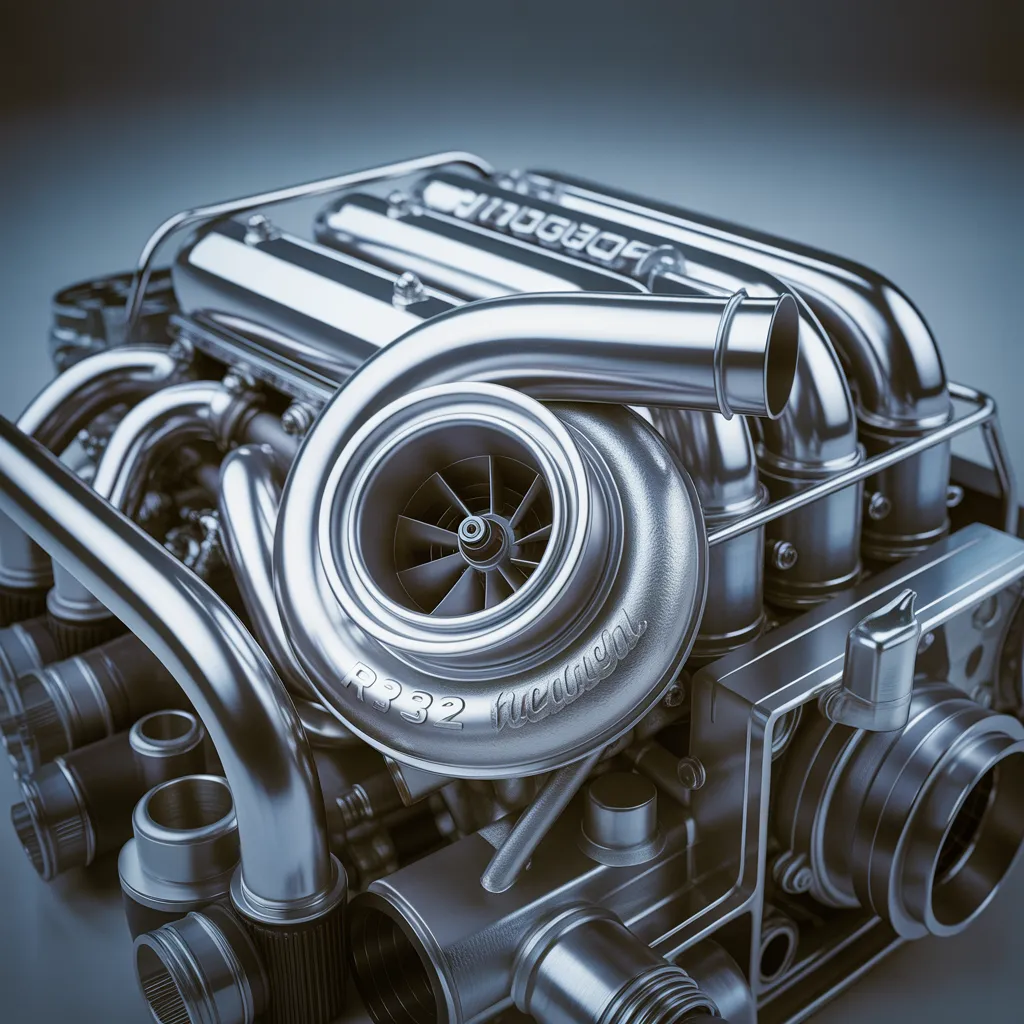
Critical Integration Factors for the R32 Engine
When exploring the procurement of an R32 engine, potential buyers must recognize that compatibility is fundamental for peak performance. First, they should ensure that the engine suits the specific model and year of the vehicle. Variations in engine specifications can result in operational problems or fitment difficulties. Moreover, the drivetrain compatibility is critical; the R32 engine must align with the transmission and differential systems to function correctly.
Moreover, purchasers ought to examine the electrical parts. Compatibility with the automobile's wiring system and ECU is critical for smooth operation. Any discrepancies can result in serious technical issues. In addition, reviewing physical specifications is crucial, as engine mounting systems and dimensional restrictions can impact proper installation.
Lastly, verifying suitability for performance upgrades is important for individuals seeking to improve performance. By evaluating these aspects, prospective owners will be better equipped to make a well-informed choice about their R32 engine purchase.
Essential Signs of an R32 Engine's Performance
When assessing the overall state of an R32 engine, key indicators include compression test results and oil leak detection. A compression test uncovers the engine's mechanical condition and power potential, while inspecting for oil leaks may reveal underlying mechanical concerns. Together, these evaluations provide critical insights into the engine's overall reliability and longevity.
Results of Compression Testing
A comprehensive compression analysis is critical for evaluating the integrity of an R32 engine, as it provides important insights into its internal state. This evaluation assesses the compression generated in each cylinder, indicating the engine's ability to maintain adequate compression levels. In most cases, well-functioning R32 engines should exhibit consistent compression values across all cylinders, usually ranging between 140 to 180 psi. Notable variations may suggest issues such as worn piston rings, cylinder head issues, examine this material or valve damage. Low compression in one or more cylinders can signal potential repair needs, affecting long-term performance and durability. Therefore, prospective buyers should prioritize compression test results when evaluating an R32 engine to ensure they are making a well-informed purchase.
Oil Leak Inspection
Examining for oil leaks functions as an essential step in evaluating the health of an R32 engine. Frequently, leaks may signal internal concerns like worn seals, gaskets, or components. Conducting a visual examination is key; search for oil buildup around the engine block, oil pan, and valve covers. Be mindful of any pooled or leaking oil below the vehicle, as this can indicate a more serious underlying issue. Using a flashlight can assist in uncovering concealed leaks. Additionally, checking the oil level regularly can indicate if oil is being consumed or lost abnormally. Resolving oil leaks quickly can help avoid additional damage and confirm the engine performs at its best, making it a key factor in the decision-making process when buying an R32 engine.
Assessing R32 Engine Performance Specifications
When assessing the R32 engine, grasping power output ratings is vital for determining its performance capabilities. Of equal importance is assessing torque characteristics, as these metrics directly influence driving experience and responsiveness. A detailed assessment of both factors provides valuable insights into the engine's overall efficiency and suitability for various applications.
Power Output Specifications
Power output ratings serve as a crucial benchmark for assessing the performance of the R32 engine. These figures demonstrate the engine's capacity to produce horsepower, a vital element for both enthusiasts and prospective buyers. Typically, the R32 engine is known for its robust output, regularly going beyond 250 horsepower, subject to the particular variant and upgrades applied. Understanding these ratings helps potential buyers assess whether the engine satisfies their power requirements. Moreover, contrasting performance numbers among different R32 versions can highlight meaningful variations that may affect acquisition considerations. Prospective owners should additionally evaluate the engine's state, since deterioration can impact output. Fundamentally, reliable power output ratings deliver critical data into the general performance capacity and possibilities of the R32 engine.
Torque Behavior Analysis
Torque characteristics play a significant role in assessing the total capability of the R32 engine, adding to the horsepower ratings covered before. Torque, measured in pound-feet or Newton-meters, demonstrates how effectively the engine can perform at multiple RPM levels. The R32 engine commonly displays a wide torque curve, which enhances drivability and responsiveness, most notably in standard daily driving scenarios. Maximum torque commonly develops at lower RPM levels, delivering powerful acceleration and enhanced throttle response. Performance enthusiasts frequently look for engines that sustain torque over a broader RPM spectrum, as this contributes to a more engaging driving experience. As a result, knowing torque specifications is vital when assessing an R32 engine's performance and fit for particular driving requirements.
What You Need to Know About Maintenance Records
How critical are maintenance records when evaluating the purchase of an R32 engine? Maintenance records offer crucial information into the engine's past and current condition. They detail routine services, repairs, and any potential issues that have been addressed over time. A well-documented service history indicates that the previous owner focused on regular maintenance, which can lead to increased longevity and performance.
Conversely, absent or partial documentation could signal carelessness or lingering issues, alerting prospective buyers to possible concerns. It is essential to confirm that standard upkeep procedures—such as fluid checks, oil changes, and timing belt replacements—were carried out at suggested intervals. It is also advisable to identify any recorded changes or enhancements within the records, as such changes can influence reliability and overall performance. In the end, detailed maintenance documentation functions as a dependable guide for evaluating the engine's past, providing peace of mind for prospective buyers.
How to Assess Your R32 Engine's Physical Status
When inspecting an R32 engine's mechanical condition, it is important to perform a comprehensive examination to identify any signs of deterioration or damage. Begin by examining the motor block for rust, cracks, or corrosion, which can indicate neglect or serious issues. Check the oil for contamination; a milky appearance could indicate a failed head gasket. Inspect the timing belt and accessory belts for fraying or cracks, as these elements are vital for optimal engine performance.
Examine the status of hoses and connections, looking for signs of deterioration or leaks. A careful examination of the exhaust assembly can uncover rust or holes that might compromise engine performance. Be attentive to odd noises when firing up the engine, as they may signal internal problems. As a final step, check the mounting points for any signs of misalignment, which can signal previous damage or faulty installation. This detailed approach will help assess the engine's reliability and longevity.
Key Questions to Ask the Seller?
Evaluating the seller's knowledge and transparency is essential when looking to buy an R32 engine. Prospective purchasers should start by inquiring about the engine's background, including previous modifications and maintenance records. Find out about the mileage and any documented concerns that could impact performance. Questions about the engine's warranty or return policy can also reveal the dealer's confidence in their product.
It is critical to ask whether the engine has undergone any rebuilds or repairs, as well as the details about which parts were utilized. Additionally, buyers should seek clarification on the motivation behind the seller's decision to sell the engine, as this can reveal potential red flags. Lastly, seeking references or ratings from former clients can help gauge the seller's reliability and reputation. These inquiries are essential for making an informed decision and guaranteeing a positive buying experience.
Comprehending R32 Engine Rates and Value
Pricing a R32 engine necessitates careful consideration of several key aspects that impact its price. Important considerations involve the engine's service record, condition, and total mileage. A well-maintained engine with lower mileage typically commands a higher price as a result of its consistent performance and durability. In addition, sourcing an engine from a reputable seller can enhance confidence in the purchase.
Market demand likewise plays a significant factor in pricing; as enthusiasts seek R32 engines, prices can fluctuate depending on availability and popularity. The overall age of the engine, together with any modifications made, can additionally impact its value. For example, aftermarket upgrades may increase desirability, but they can also make reliability assessments more complex.
Ultimately speaking, comprehensive analysis of current market trends and comparable listings is critical for determining a competitive price. Prospective buyers must weigh their spending limit with the motor's capabilities to guarantee a rewarding investment in their auto restoration endeavor.
Frequently Asked Questions
What Are Common Modifications for R32 Engines?
Common modifications for R32 motors include replacing the stock turbocharger, improving the exhaust setup, tuning the ECU, adding an upgraded intercooler, and enhancing the air intake system, all designed to boost horsepower and overall performance.
How Can I Tell if the Engine Is Genuine?
To establish whether an engine is original, it is important to examine serial numbers, check for manufacturer stamps, and verify components against official specifications. In addition, consulting documentation and previous ownership history can provide further authenticity assurance.
Have There Been Any Specific Recalls for R32 Engines?
Indeed, there have been documented recalls affecting R32 engines, largely focusing on issues related to fuel system parts and emissions-related systems. Interested purchasers are advised to verify recall information through manufacturer documentation or service records for assurance.
What Is the Expected Lifespan of an R32 Engine?
The standard lifespan of the R32 engine generally falls between 150,000 and 200,000 miles, subject to maintenance and driving conditions. Routine servicing can considerably prolong its longevity and performance over time.
Can an R32 Engine Be Swapped Into Another Model?
That's correct, an R32 engine can be transplanted into a different model, but compatibility differs based on the make of the vehicle and modifications needed. Thorough research and precise adjustments are necessary to ensure successful integration and optimal performance.